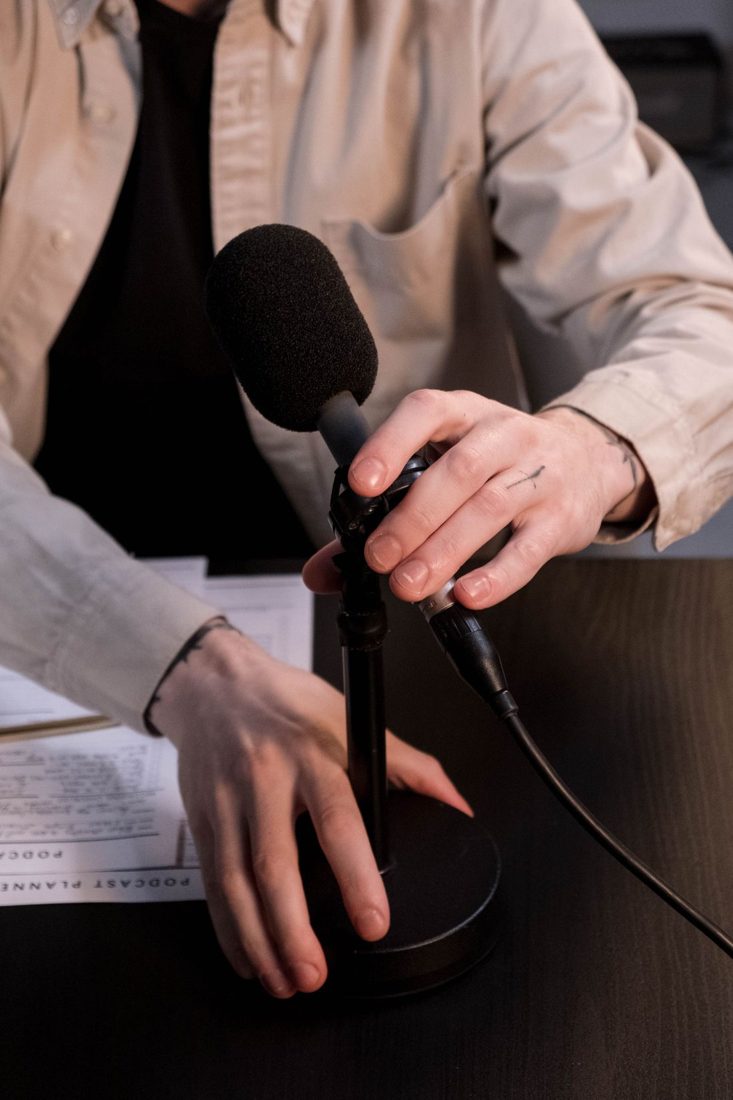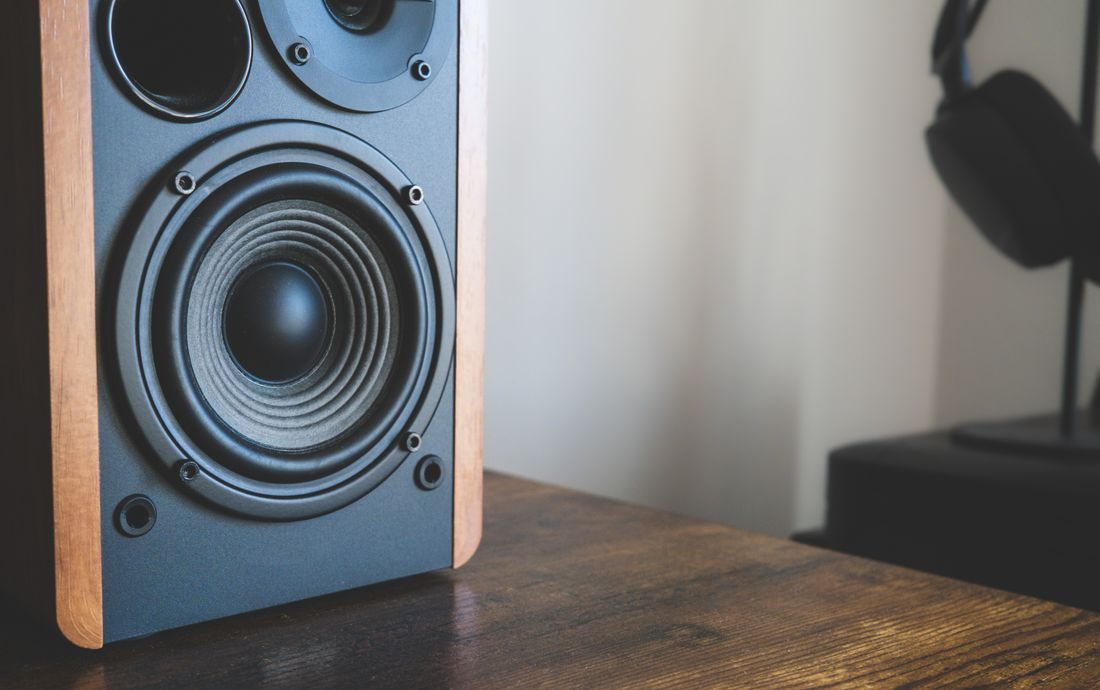
A recording can sound convincing inside an editor and still contain a problem in the exported file. The wrong range may have been selected, a track may be missing, or a quiet sentence may be difficult to follow on a small speaker. Checking two playback systems is a practical review method, provided you listen to the same file and know what each check is meant to reveal.
Open the file outside the editing session
Export to a clearly named review location, then open that file in a separate player. Confirm its name, duration, and intended version. Start at the beginning rather than assuming the title and first word were included. Check the final sentence and any silence after it too; an unintended long tail can make a short piece feel unfinished.
Listen for missing music, muted dialogue, or a section that was exported alone by mistake. If the delivery brief specifies a format or channel arrangement, inspect those properties. A filename ending in the expected extension does not establish that every export setting was correct.
Use headphones for small defects
At a comfortable level, listen for clicks, awkward joins, breaths cut in half, clothing noise, and sudden changes in room sound. Notice whether a spoken voice appears unexpectedly on just one side. Check intentional stereo material separately; not every left-right difference is a fault.
Write down a time and a concrete description for each issue. A note such as click before the second instruction is actionable. Sounds strange halfway through is harder to locate. Avoid turning up excessively to search for defects that would not matter at ordinary playback levels.
Use the speaker to judge the explanation
Play the same export on a small speaker in a reasonably quiet setting. Concentrate on words, especially names, measurements, and softer phrases. Does background music make any instruction harder to understand? If you already know the script, read less and listen more; familiarity can make a missing word seem present.
A small speaker will not reproduce every low-frequency detail that headphones reveal. Do not force the mix to sound identical on both devices. Look for a coherent explanation on each. If a suspected problem appears on only one system, compare with another familiar recording to help identify whether the device or the export is responsible.
After making corrections, create a fresh export and repeat the affected passages plus the opening and ending. Label the approved file clearly and retire obsolete review versions from the delivery folder. The aim is a dependable handoff of the checked recording, rather than a promising timeline that never received its own final listen.