Publishing
Write a useful brief for a short educational video
Define the learner’s starting point, the outcome, and the evidence needed on screen so a short educational video stays focused from script to final edit.
Give an idea the shape, context and clarity it needs.
Define the learner’s starting point, the outcome, and the evidence needed on screen so a short educational video stays focused from script to final edit.
Find the decision behind a reader’s question, define a manageable answer, and organise examples that help someone act without needing the original conversation.
Name the task or finding clearly, preserve important limits, and compare the headline with the finished piece before using it on a page or promotional graphic.
Choose one recognisable subject, simplify supporting text, and inspect the real small preview so the thumbnail communicates the video’s topic without misleading visual clutter.
Select a photograph that represents the article’s central subject, preserves honest context, and still works in the crops used by the page and its previews.
Use a photograph’s caption to supply the relevant identity, circumstance, or explanation the viewer cannot reliably infer from the picture alone, without adding unsupported claims.
Use the script as a starting aid, then reconcile it with the final recording so subtitles preserve the actual words, meaning, and relevant audio information.
Review captions against the finished playback, watching entrances, exits, reading time, and visual overlap so accurate text arrives when the viewer needs it.
Describe the photograph’s instructional purpose in its page context, preserving the information a reader needs without turning alternative text into a catalogue of visible objects.
Prioritise a short message, clear type, and dependable contrast, then inspect the exported graphic at its actual feed size rather than only on the design canvas.
Use a few repeatable visual decisions to connect your work while giving each story the space and arrangement it needs.
Turn the useful actions in a written outline into a compact filming list that covers the explanation without collecting unnecessary footage.
Adapt the opening of a tutorial to what readers or viewers need in each format while keeping the underlying explanation accurate.
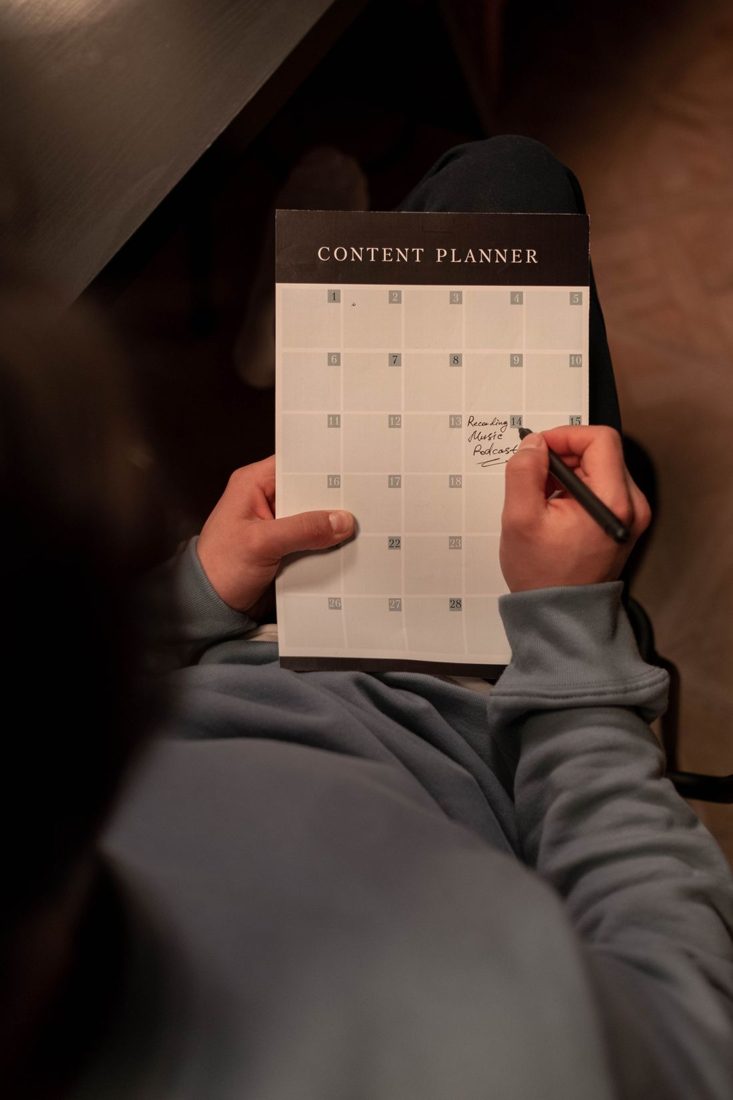
Build a publishing schedule around preparation, production and review time, with enough space to finish work alone.
Ask focused questions about a draft and turn the responses into decisions that make the next piece clearer.
Explain a creative project through its problem, decisions and visible result, with enough evidence for someone else to assess the work.
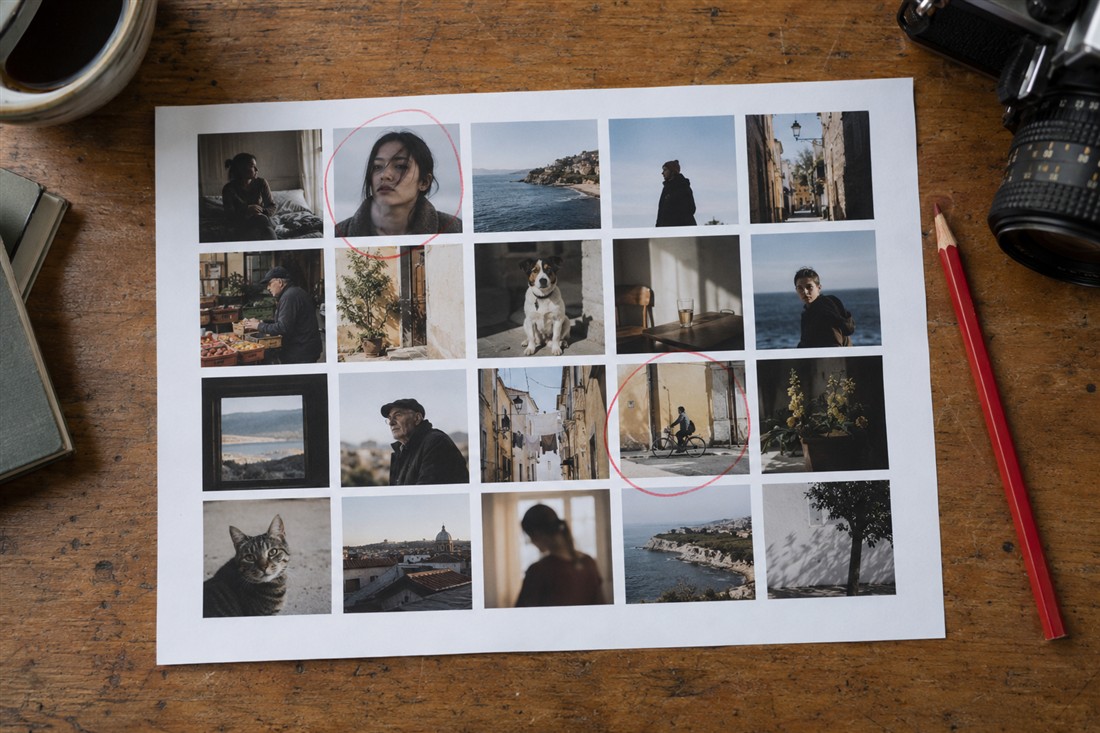
Arrange small previews with clear filenames so you can compare a photo session efficiently and return to the selected originals.