Audio
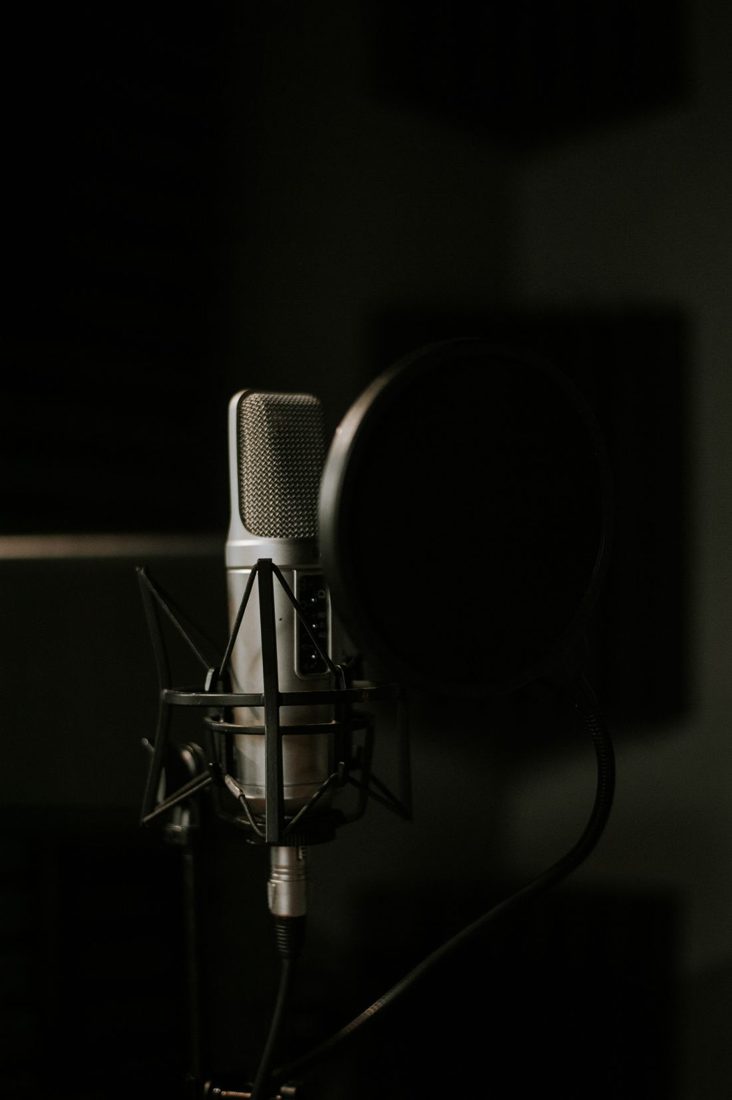
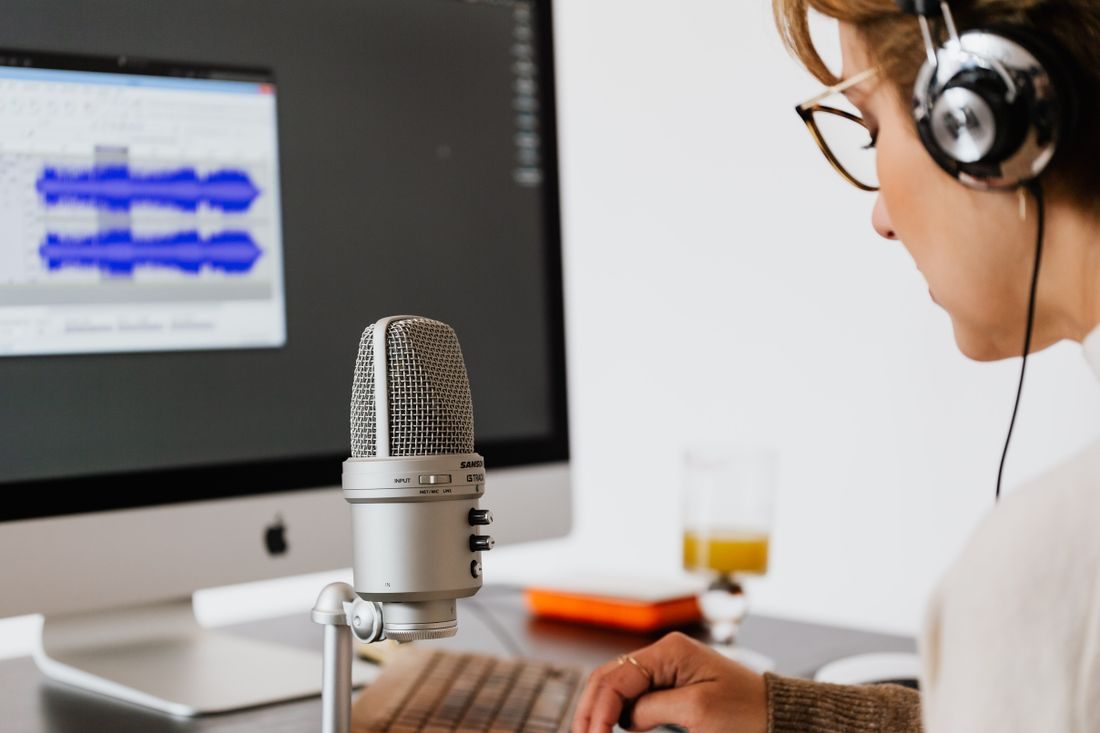
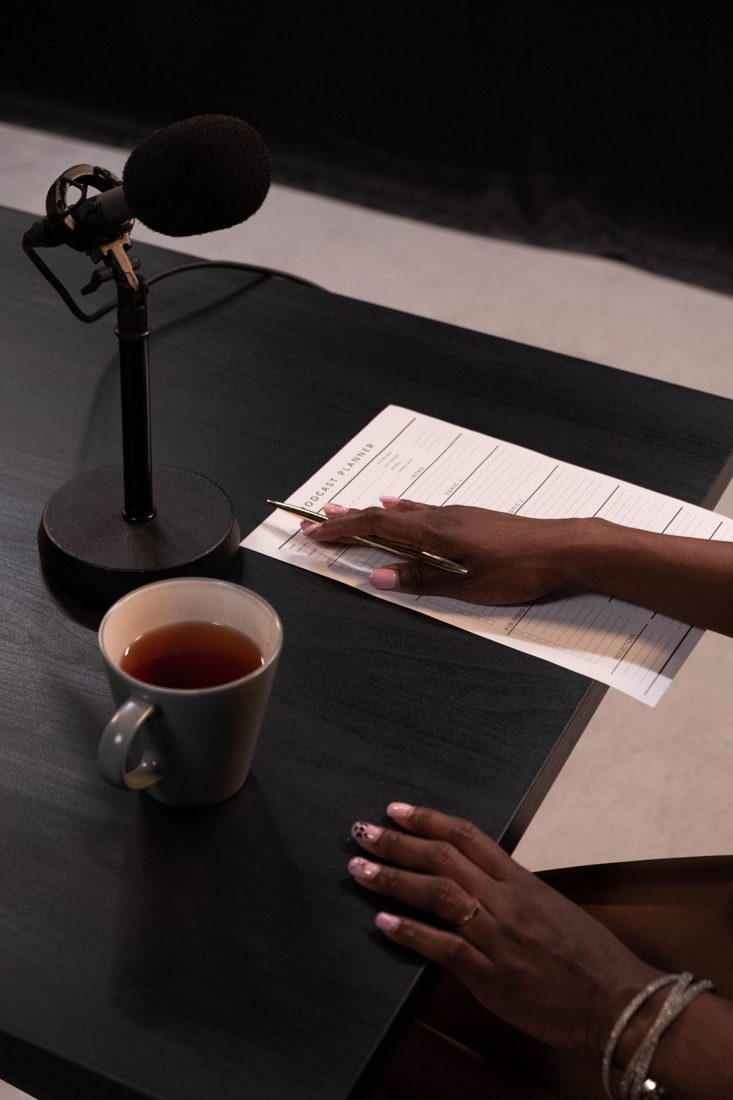
Place a microphone for clearer spoken voice
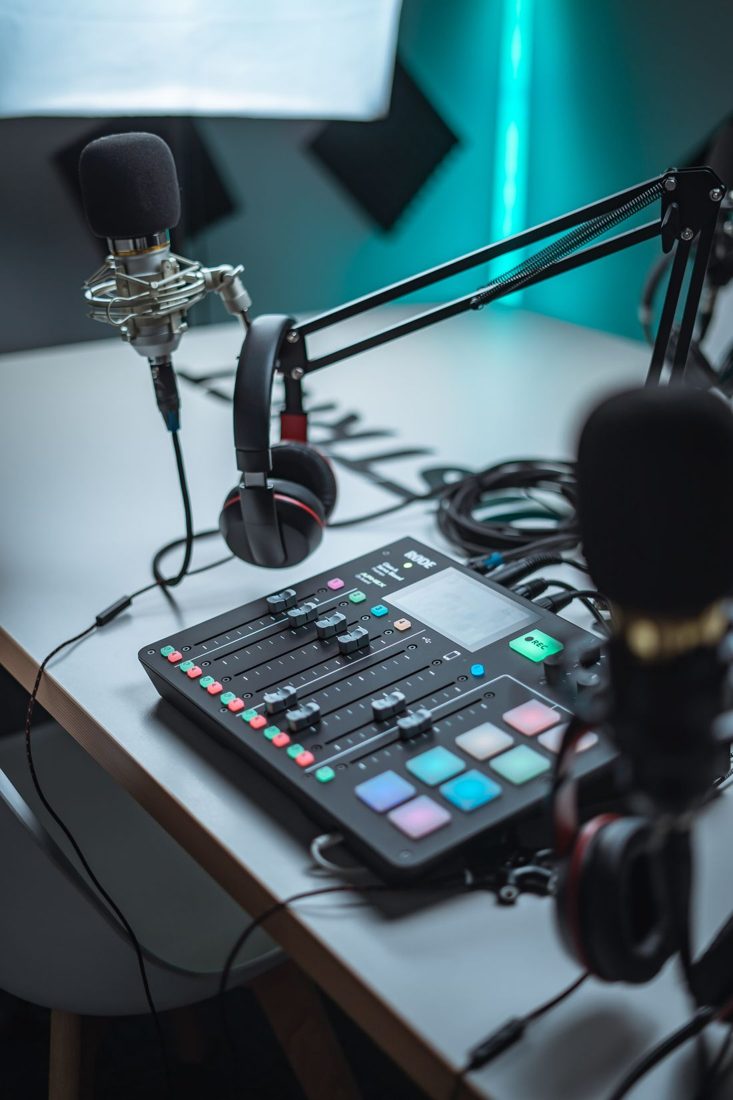
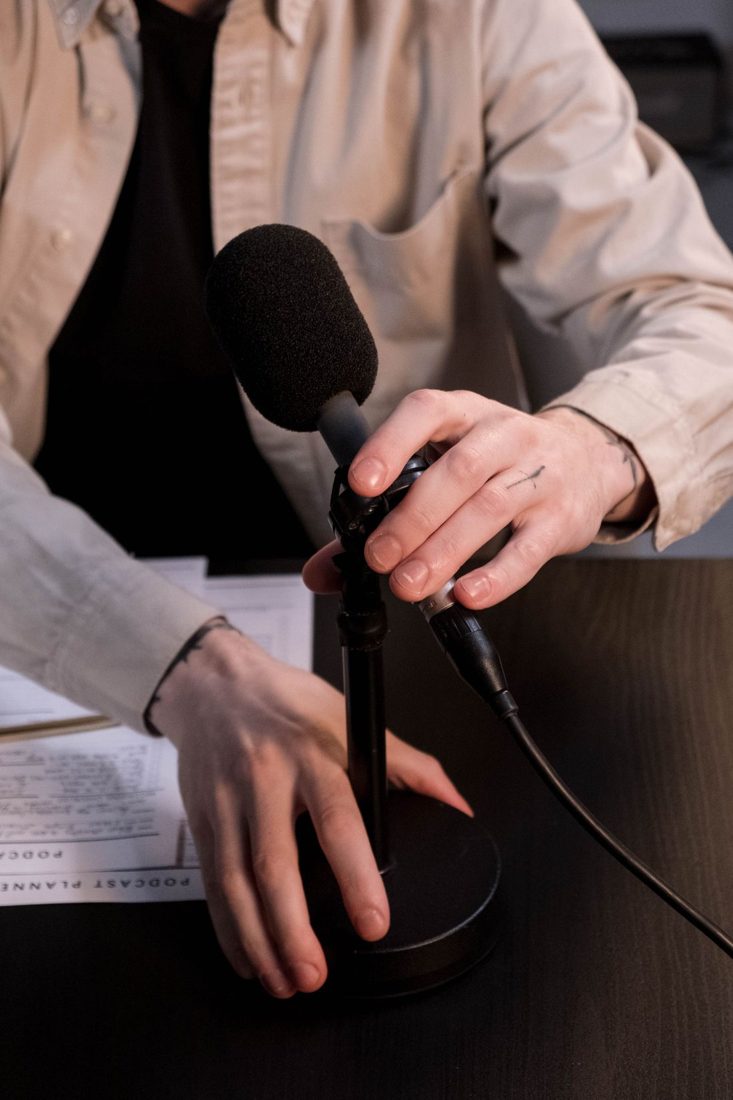
Find the microphone’s working side, compare a few positions, and leave room for natural movement so spoken recordings sound clearer without relying on heavy processing.
Understand the recording before reaching for an effect.
Find the microphone’s working side, compare a few positions, and leave room for natural movement so spoken recordings sound clearer without relying on heavy processing.
Keep fabric, jewellery and cable movement away from the microphone, then record the speaker’s actual gestures before trusting an apparently neat mounting position.
Compare actual room recordings, listen for steady and intermittent noise and choose a practical space where you can maintain the same conditions throughout the session.
Test the speaker’s louder phrases, adjust the actual input gain and leave room for natural variation instead of judging recording level from quiet speech alone.
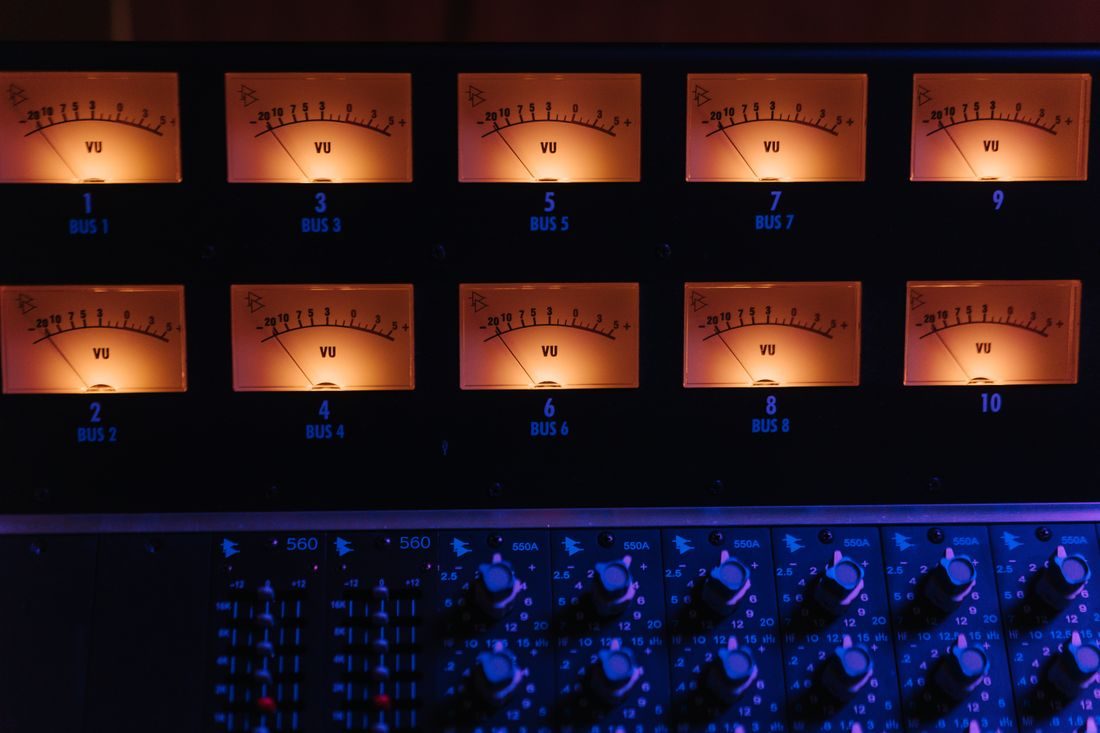
Monitor the signal the recorder actually receives, listen for specific faults and confirm a saved test so a moving meter does not become your only evidence.
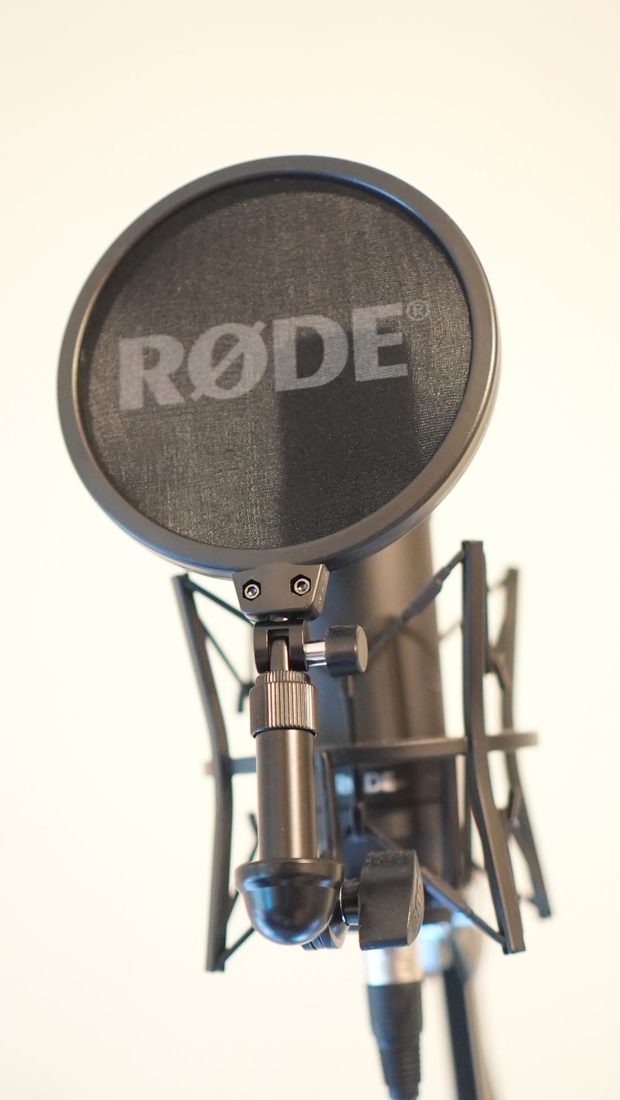
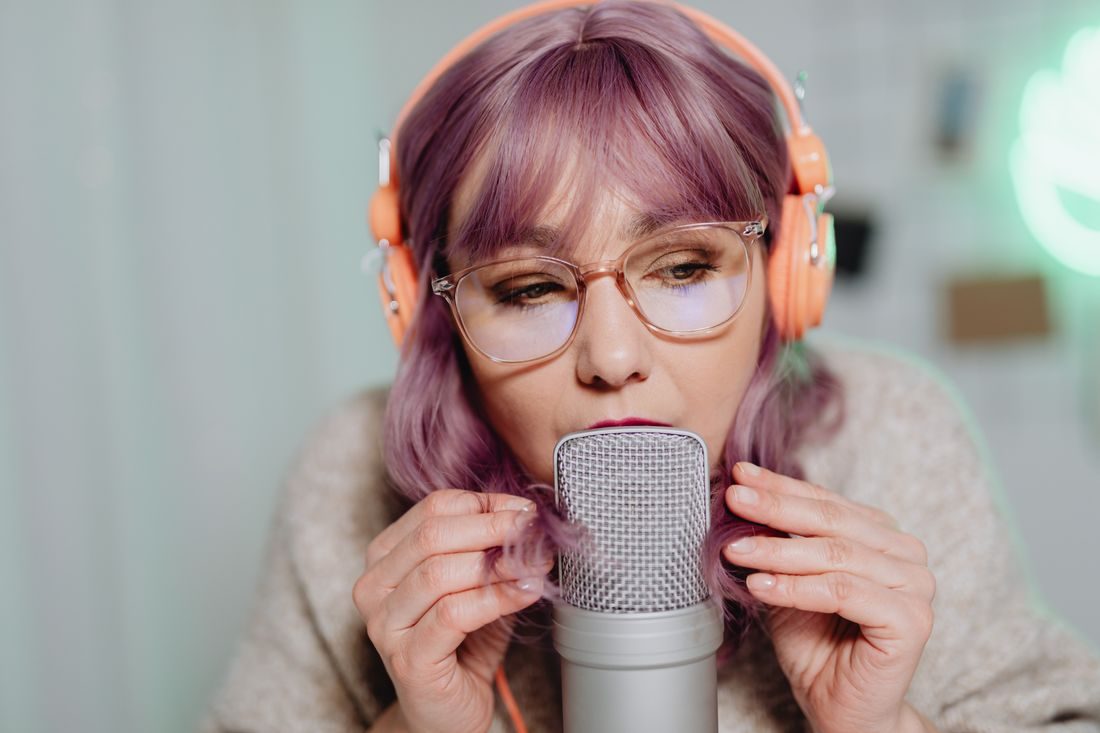
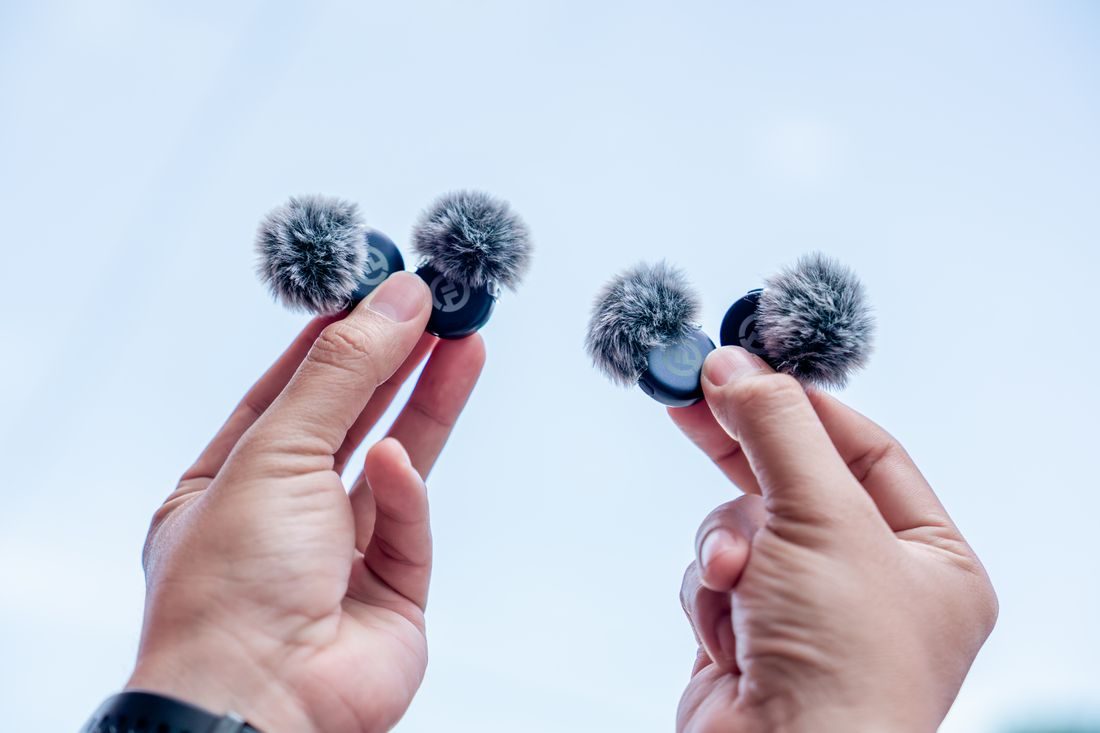
Reduce bursts of air at the microphone through placement and appropriate protection, then compare clear speech before applying heavy processing to every word.
Arrange the microphone and script for a comfortable posture, rehearse natural movements and maintain a useful working distance without turning the performance into rigid stillness.
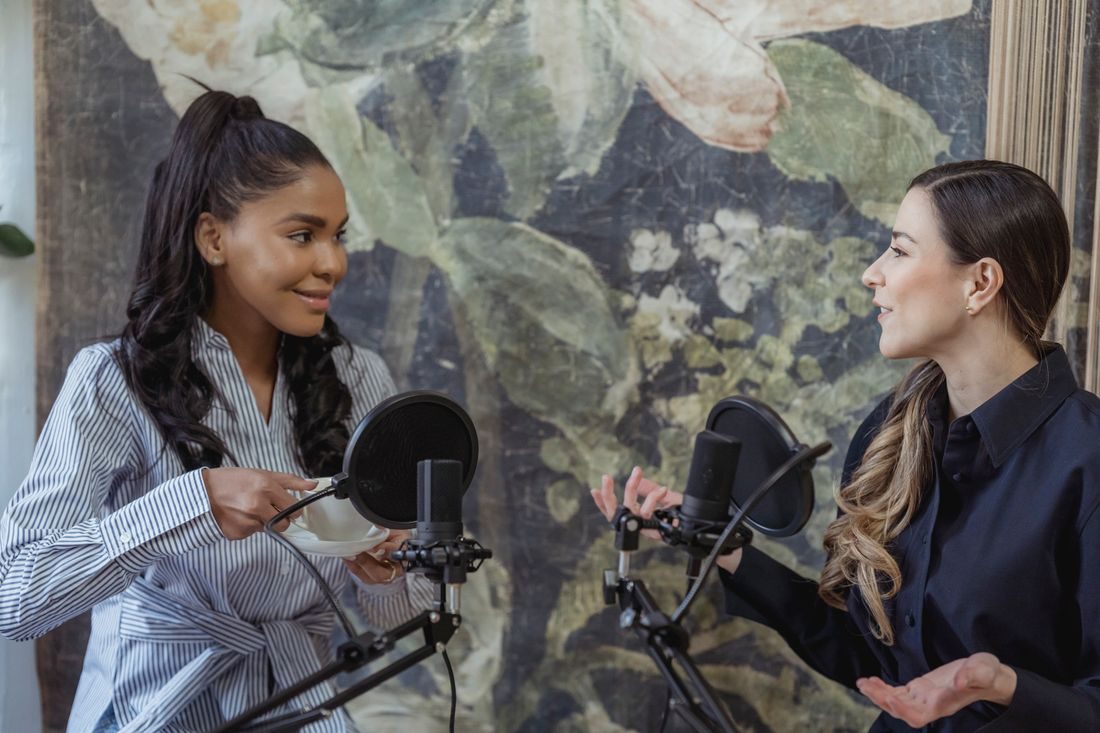
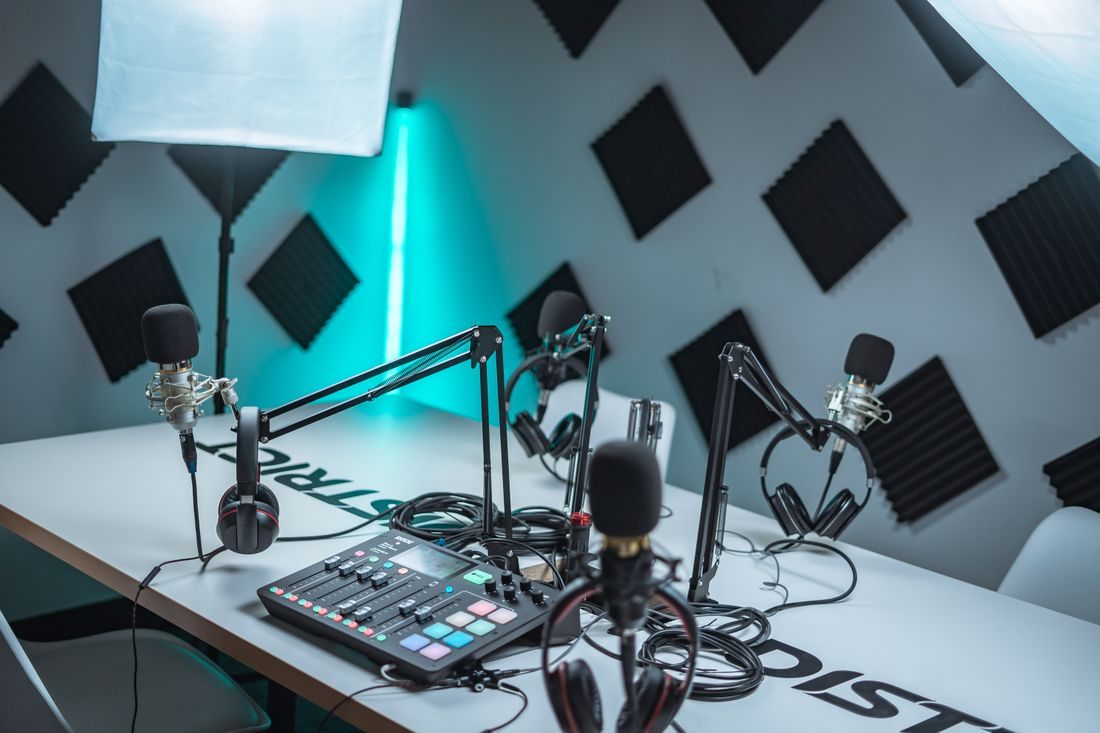
Choose a microphone arrangement that fits the conversation, prioritise each voice’s clarity and test both speakers at their real seats before recording the full session.
Plan independent recordings at each end, rehearse the actual devices and agree on a clear file-transfer process so connection problems do not leave the conversation unrecoverable.
Record the room with the dialogue setup unchanged, keep the capture free of deliberate activity and label it clearly for filling small gaps without abrupt silence.
Shorten delays that obstruct an explanation, preserve purposeful breathing and thought, and listen across each join so an efficient edit still sounds like a human voice.
Apply noise reduction gradually, compare at a similar listening level and prioritise understandable natural speech over a perfectly silent gap between sentences.
Smooth an abrupt audio boundary with a small, carefully placed fade while preserving consonants, breaths, and the natural rhythm of the spoken passage.
Build the voice first, introduce music cautiously, and check difficult sentences so the soundtrack supports the explanation without making listeners work harder.
Match spoken clips by listening across their joins, using modest gain adjustments and preserving natural emphasis before applying shared processing to the sequence.
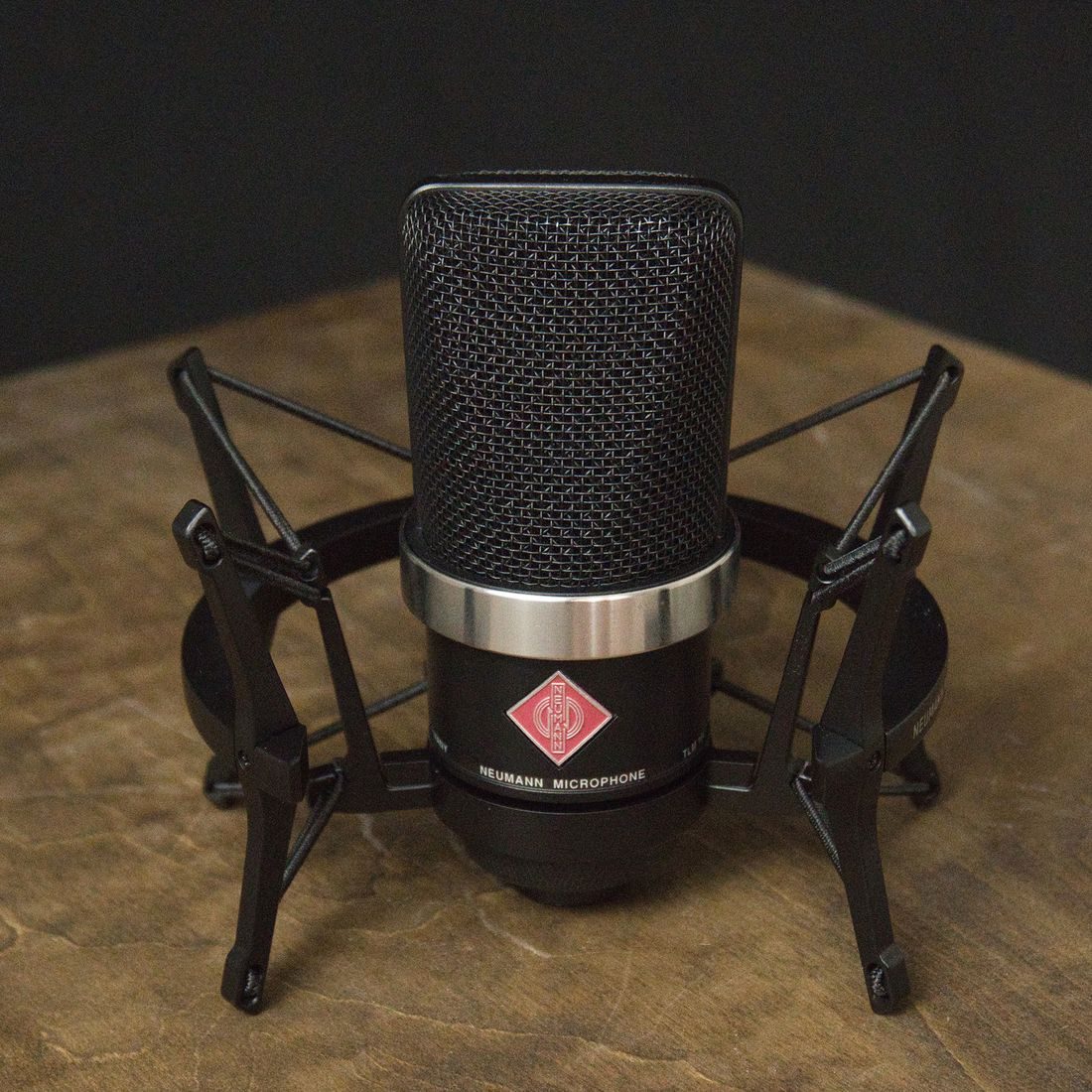
Use short recordings in several positions to distinguish room reflections from equipment problems before spending money on a different microphone for spoken content.
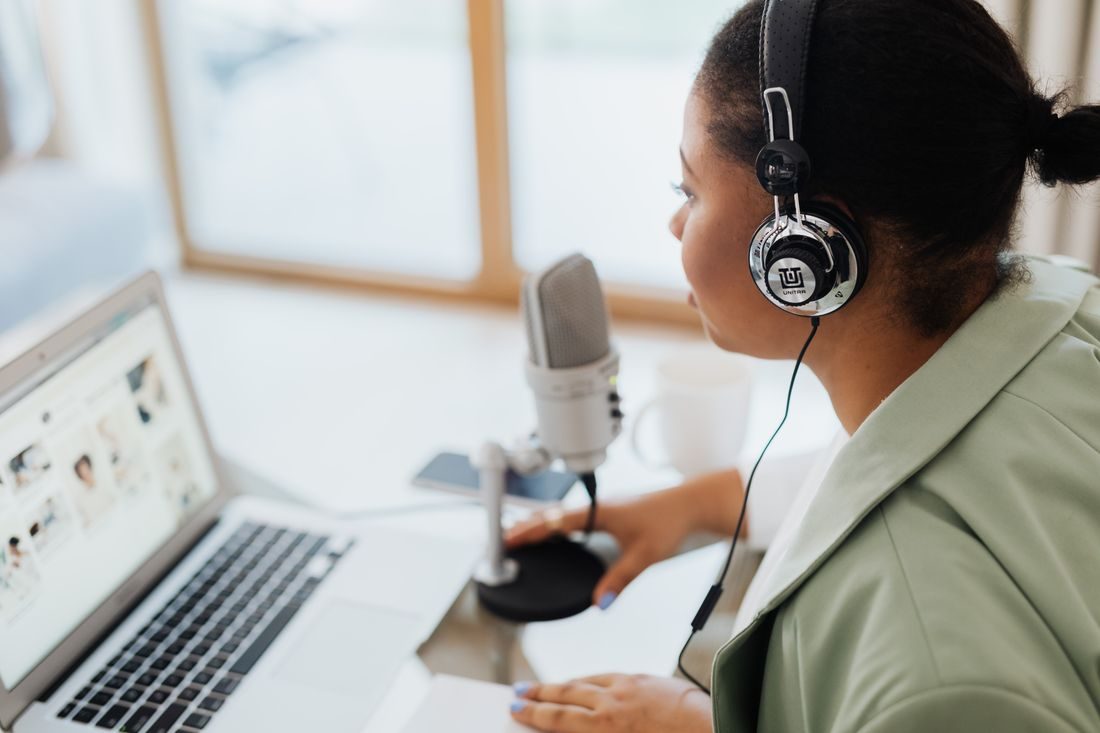
Identify which movements create bumps, separate the microphone from avoidable contact, and test the complete desk arrangement before recording a longer spoken passage.
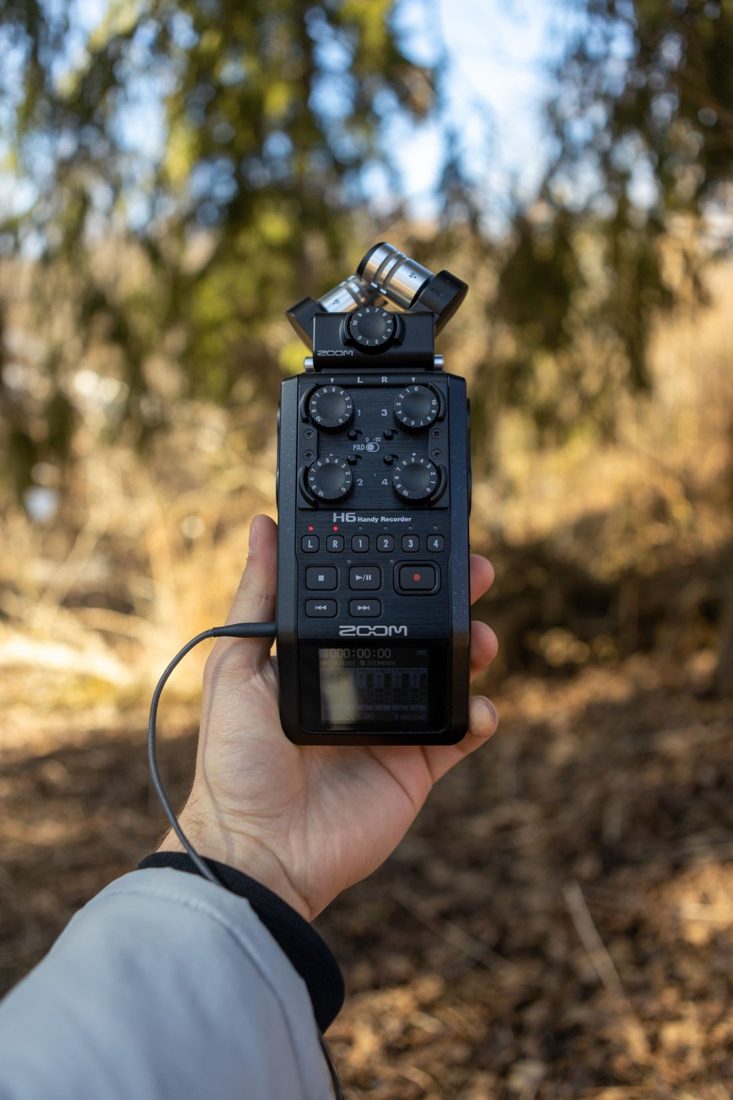
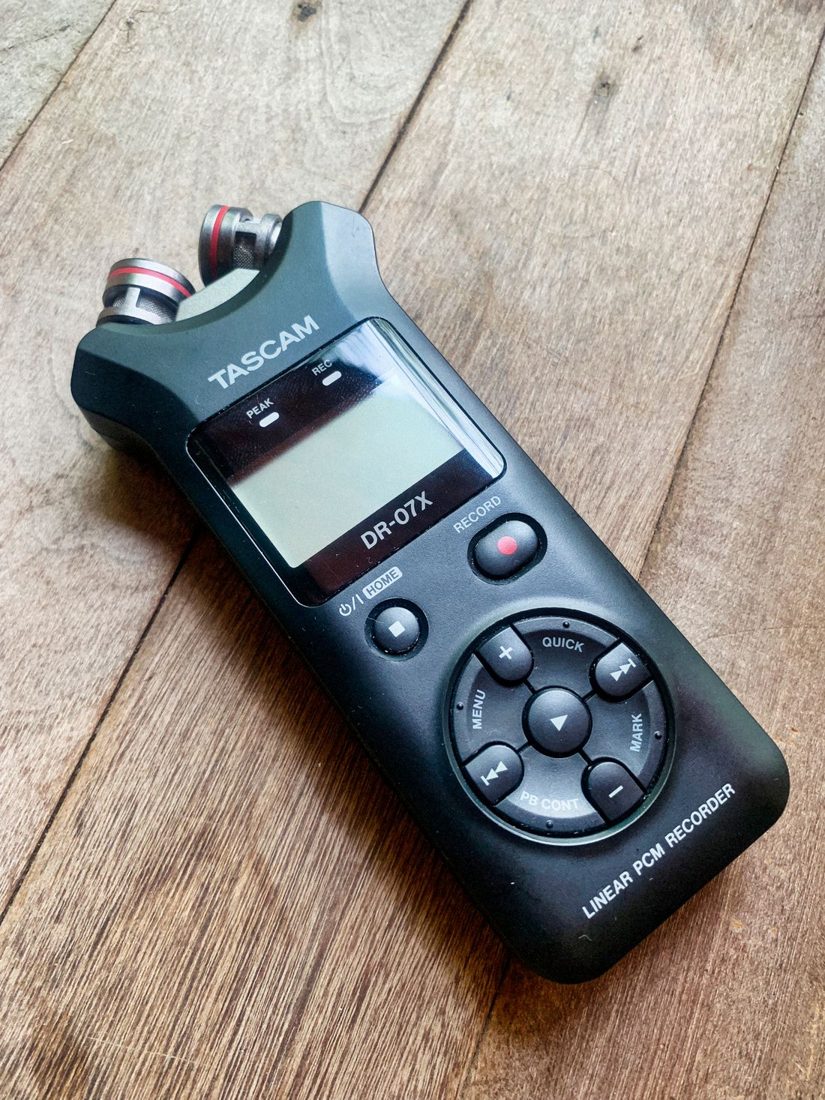
Choose a defined sound scene, support the recorder securely, and capture uninterrupted passages that can support an edit without unwanted bumps from your hands.
Match wind protection to the microphone, check the complete setup outdoors, and choose a more sheltered position when airflow still overwhelms the spoken recording.
Give a short episode one clear purpose, arrange the supporting material, and rehearse the opening so recording time goes towards a coherent conversation or explanation.
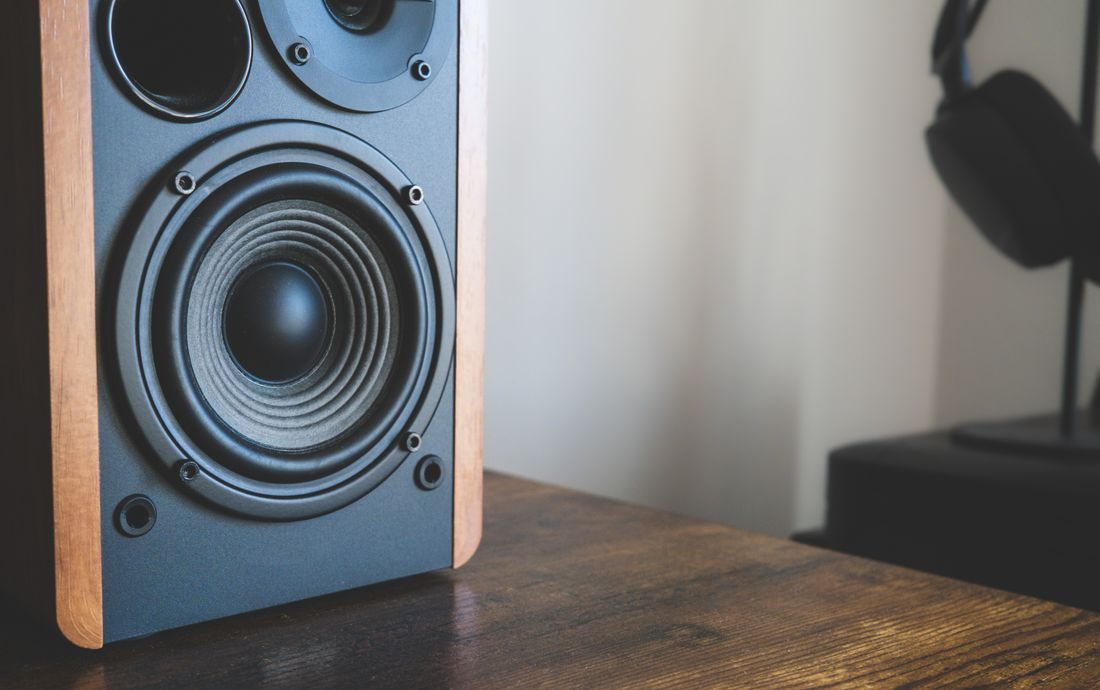
Review the actual delivered file on two ordinary playback systems, separating export faults from listening-device limitations and noting precise moments that need another edit.
Match the channel layout to the source and delivery needs, avoiding silent channels or unnecessary duplicates when recording a single voice with one microphone.
Use simple take names and brief performance notes to make selection faster without changing original recordings or relying on memory after a busy session.