A voice recording that sounds hollow or distant can make a new microphone seem like the obvious next purchase. Yet the room may be contributing much of what you dislike. Hard nearby surfaces return sound to the microphone along with the direct voice. Before comparing equipment, make a few deliberate recordings that reveal how much the space and microphone position are influencing the result.
Record a sentence and its ending
Use a familiar sentence with a clear final word, then leave a short pause. Listen on headphones to the tail after you stop speaking. You may hear a distinct repeat, a lingering wash, or a boxy character during the words themselves. Describe what you hear instead of labelling every problem simply as bad audio.
Record another take with the same equipment and settings in a quieter, less bare part of the room. Keep your speaking effort similar. A substantial change between positions is useful evidence that the room matters; it does not mean that every difference has been identified or measured.
Check distance before changing the room
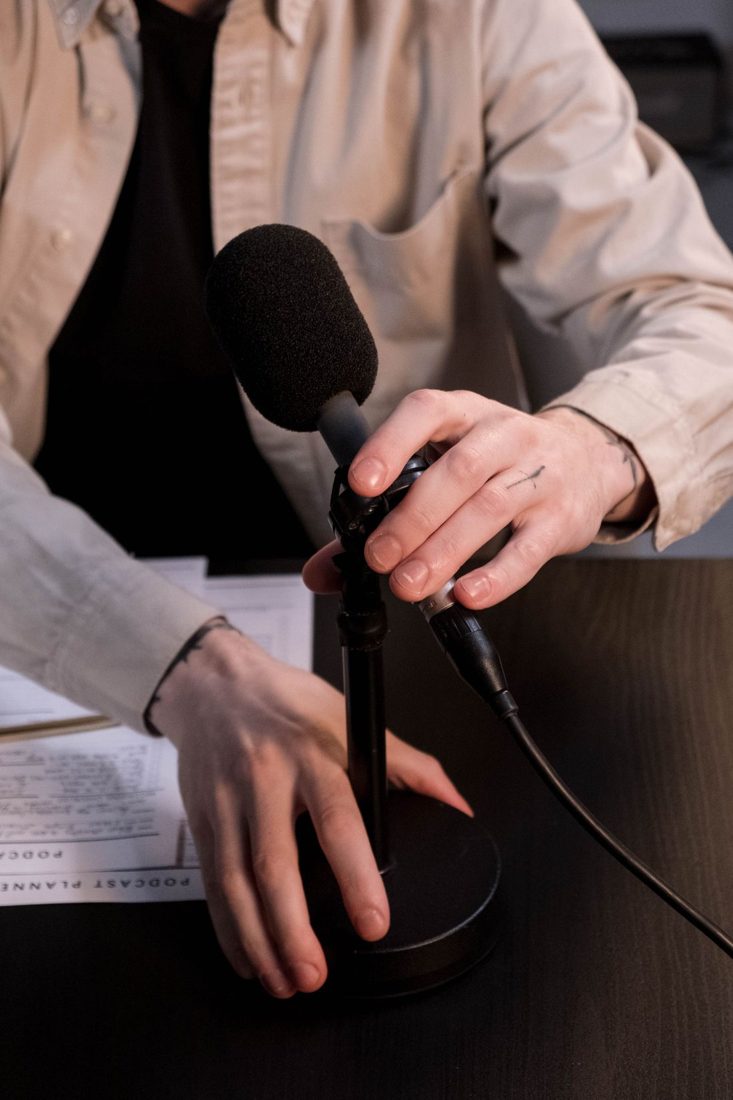
Follow the microphone’s intended orientation and try a somewhat closer speaking position within its recommended use. Check gain again to avoid overload. Compare at similar playback levels. Closer placement can improve the balance of direct voice to room sound, but excessive proximity may change the tone or increase breath problems.
Try a reversible change to the surroundings
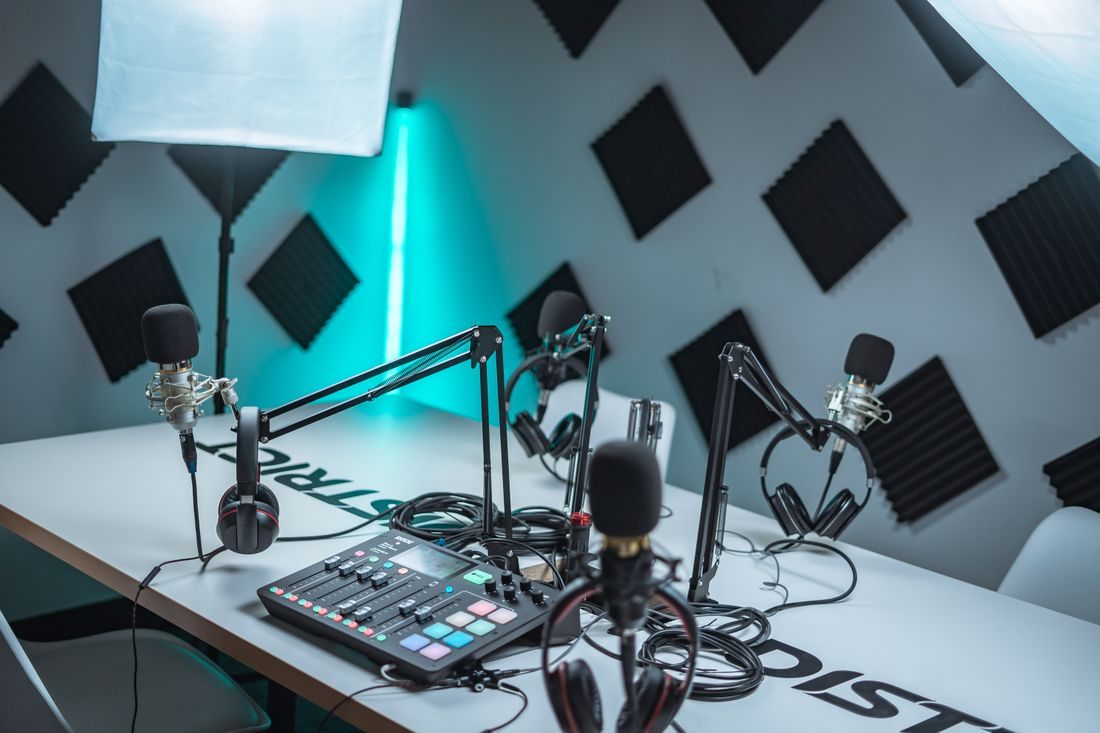
Move away from a bare corner or a large reflective tabletop when the setup allows it. Close existing curtains and compare another take. Soft furnishings can reduce some reflected sound; they do not stop all sound from entering the room and are not a substitute for structural sound isolation.
Change one thing at a time and retain the short samples. If you move the microphone, change its distance, and add furnishings together, you cannot easily tell which change helped. Keep improvised material clear of hot lights, ventilation openings, and walking routes while testing.
Decide what another microphone would solve
Write down the problem that remains after those tests. A different pickup pattern or a microphone suitable for closer use may fit the task, but it still records within the same room. Shure’s vocal guidance emphasises controlling reflections before expecting an equipment upgrade to fix them. Borrow or audition a candidate in your actual space when possible rather than judging it only from another person’s studio recording.
Keep the best sample as a reference and note how it was recorded. You can then assess any purchase against a specific remaining problem. Sometimes a more usable position is enough; sometimes room treatment or another microphone is justified. The recordings make that decision more concrete.