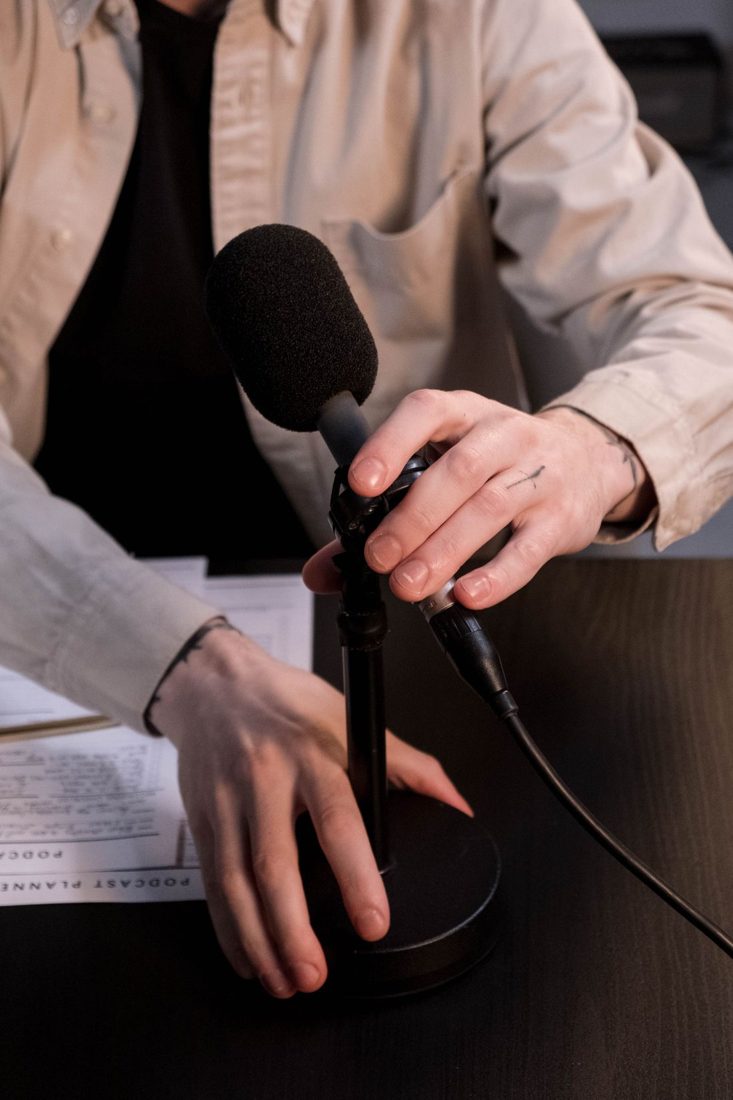
One microphone placed in the middle of a table can seem convenient, yet it may leave both speakers sounding distant. Moving the gain higher raises the room and background sound along with their voices. Start by deciding how the conversation will happen and whether the available equipment can capture each person from a useful position.
Arrange the conversation before the equipment
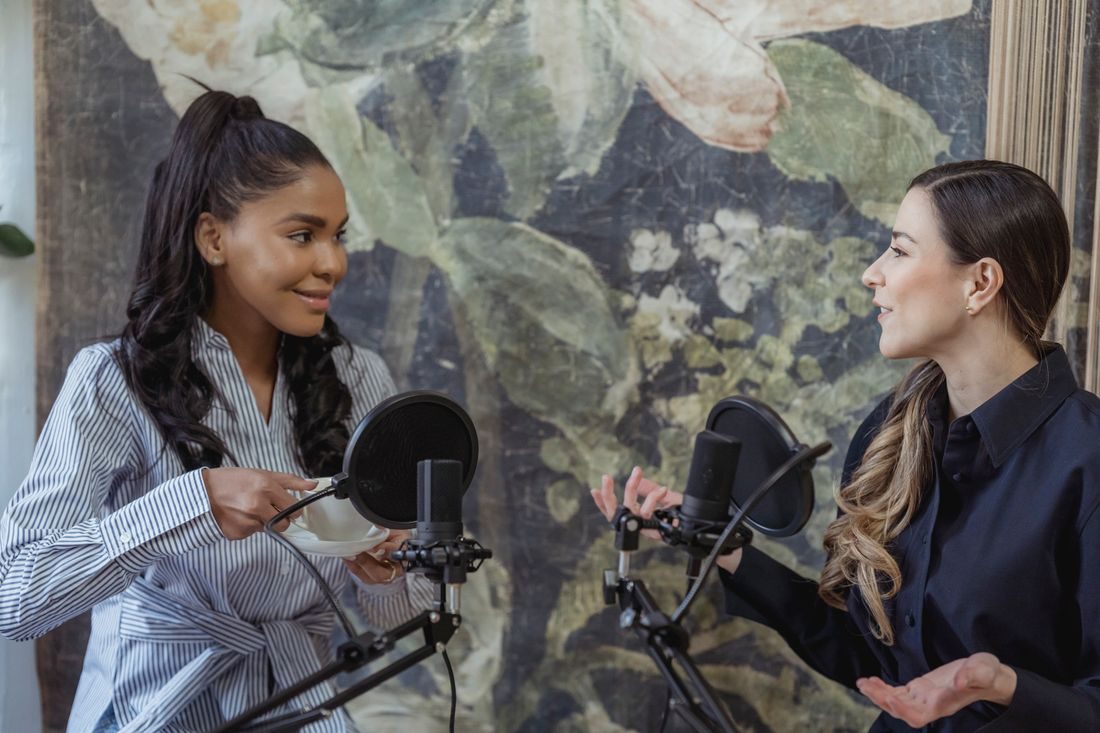
Seat the speakers where they can see and hear each other comfortably. Note whether they will turn toward a camera, handle objects or read from a screen. Those movements affect microphone placement. Avoid a layout that requires both people to lean toward the same small point throughout the session. A stable, natural conversation is easier to record than one in which every answer begins with someone moving closer to be heard.
Give each voice a suitable route
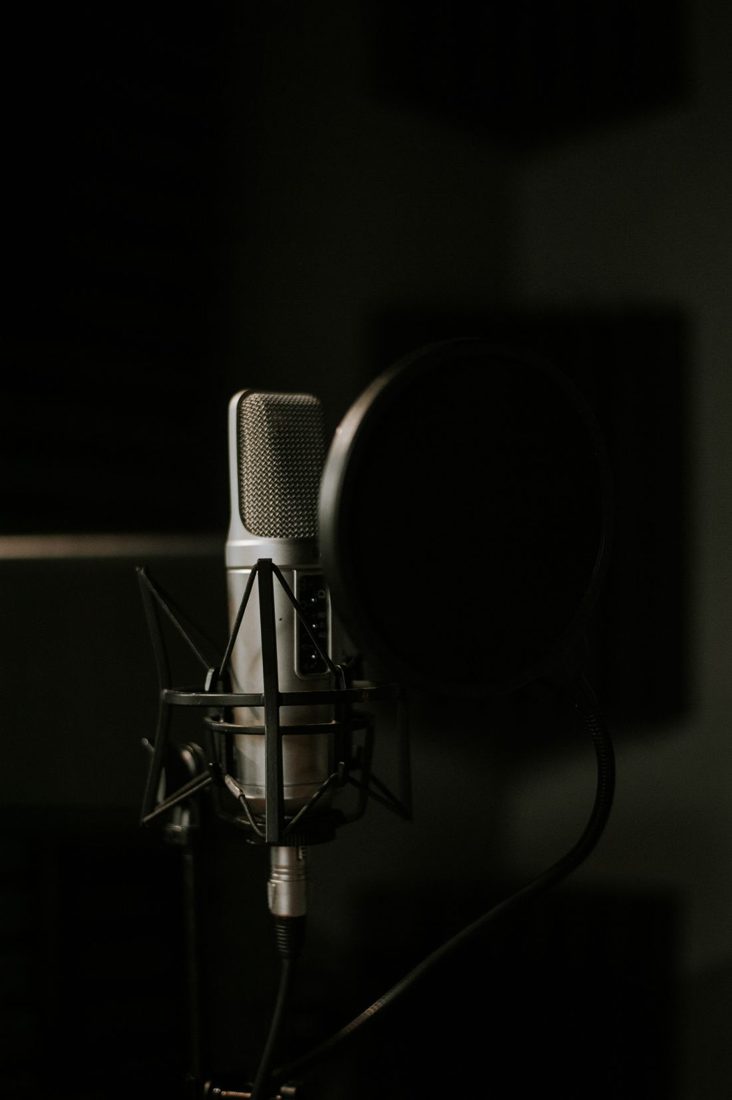
Separate microphones can provide useful control when the recorder has compatible inputs and you understand how to record them. Match microphone direction and placement to the manufacturer’s instructions. Do not assume two plugged-in microphones automatically produce two independent tracks; verify the recording setup.
If you must share one microphone, use an arrangement intended for the number and positions of the speakers. Test its pickup behaviour rather than treating every microphone as equally sensitive in every direction. Another layout or a simpler recording format may suit the available equipment better.
Balance the speakers with a real test
Ask both people to speak at normal conversational level, then exchange a few sentences and laugh if that is typical. Listen to the saved test. Can each voice be understood without continually changing playback volume? Check what happens when one turns toward the other. Adjust placement before making large gain changes. Keep enough room for louder moments. A quiet speaker should not have to shout to compensate for a microphone positioned primarily for the louder person.
Check overlap and editing options
Record a brief exchange with some natural interruption so you know how simultaneous speech sounds. If using separate tracks, listen to each and to the combined result; the other voice may still be audible on both microphones. Keep original tracks and avoid destructive processing before the edit. Monitor during the session and note significant changes in posture. For a short programme, gentle turn-taking can help clarity, but do not force the conversation into an unnatural sequence of isolated announcements.
A clear two-person recording begins with appropriate placement, not a higher gain setting on a distant microphone. Test both voices at the actual seats and confirm what your recorder saves. Choose the simplest arrangement that supports natural movement and gives each speaker a clear, usable sound.