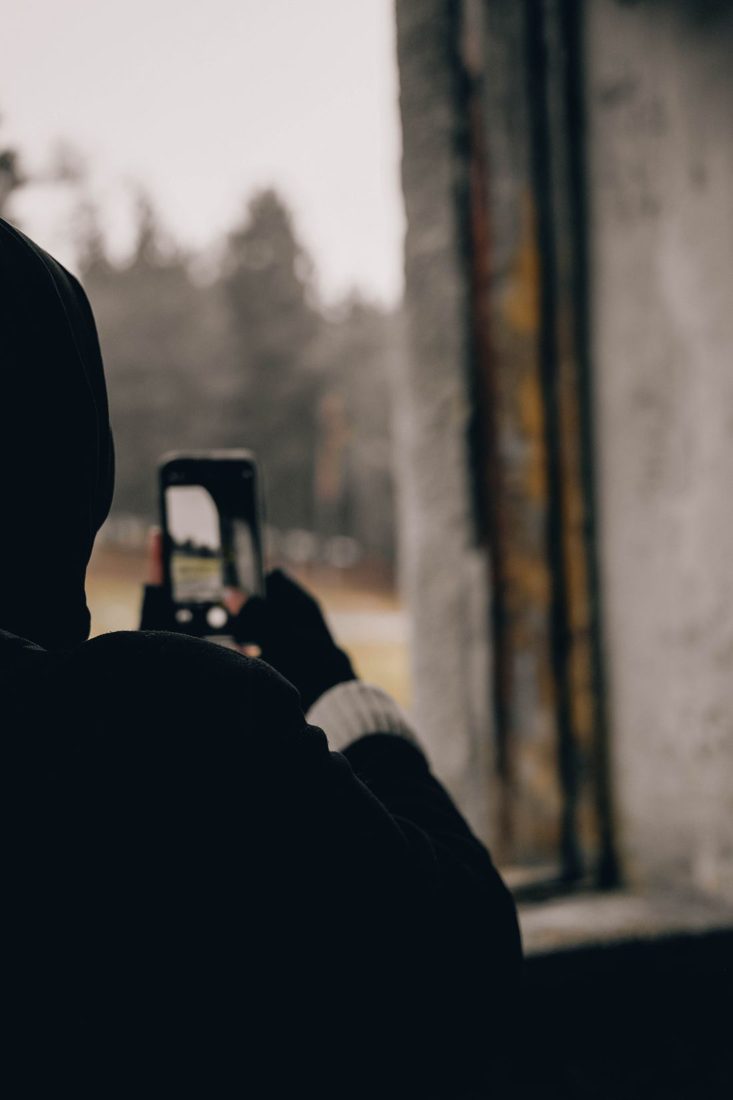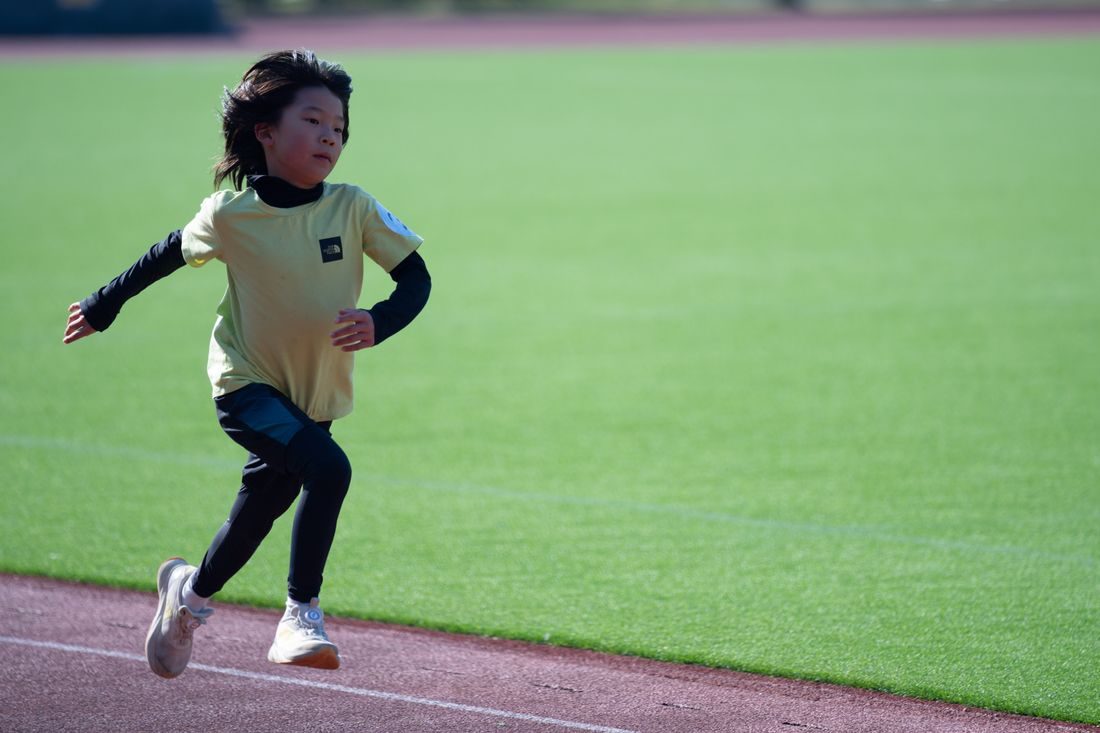
Photographing an active child becomes easier when you stop treating every moment as a seated portrait. Running, building blocks and pausing between games produce different movements. Your shutter speed should follow the activity and the result you want. Set up in a suitable place with the responsible adult involved, then make a quick test before the most interesting moment arrives.
Choose whether movement should look still
For a clear face during running or energetic play, a faster shutter is a useful starting point. Nikon suggests around 1/500 second for fairly fast motion, while emphasising that the required speed depends on the action. Treat that as a test value, not a guarantee. Hands, feet and a nearby subject crossing the frame may still show movement. A quieter activity may need less speed and allow different exposure choices.
Let the exposure support your priority
If your camera has shutter-priority mode, choose the initial speed and inspect the camera’s exposure indications. In dim light, you may need a higher ISO or a brighter location. A little noise is often less damaging to an expression than a face blurred by movement.
Phones and simpler cameras may offer an action mode instead of direct shutter control. Check what your device actually supports. A burst can provide several expressions, but it does not independently correct a shutter speed that is too slow for the activity.
Make focus and framing easier
Choose a position where you can anticipate the movement without obstructing play. Leave space in the direction of travel and avoid cropping limbs at accidental-looking points. Use a suitable continuous or tracking focus option if supported and practise on a brief ordinary movement. Keep the camera ready between moments rather than asking the child to repeat an expression. Do not encourage risky action for a photograph or block the path to keep the subject inside your frame.
Recheck when the game changes
Inspect a short sequence at a useful magnification. If the background is sharp but the face trails, increase shutter speed and test again. If the entire image is smeared, improve how you hold the camera as well. When the child sits down to concentrate, reconsider the settings instead of carrying the fastest setup into every scene. Capture a few wider frames that show the activity too; an isolated close-up may lose the reason the expression was interesting.
The best setting is the one that records the current activity clearly enough for your purpose. Begin with a sensible test, look at the saved image and adjust when movement or light changes. A short series with clear context and natural expressions is more useful than hundreds of unchecked frames.