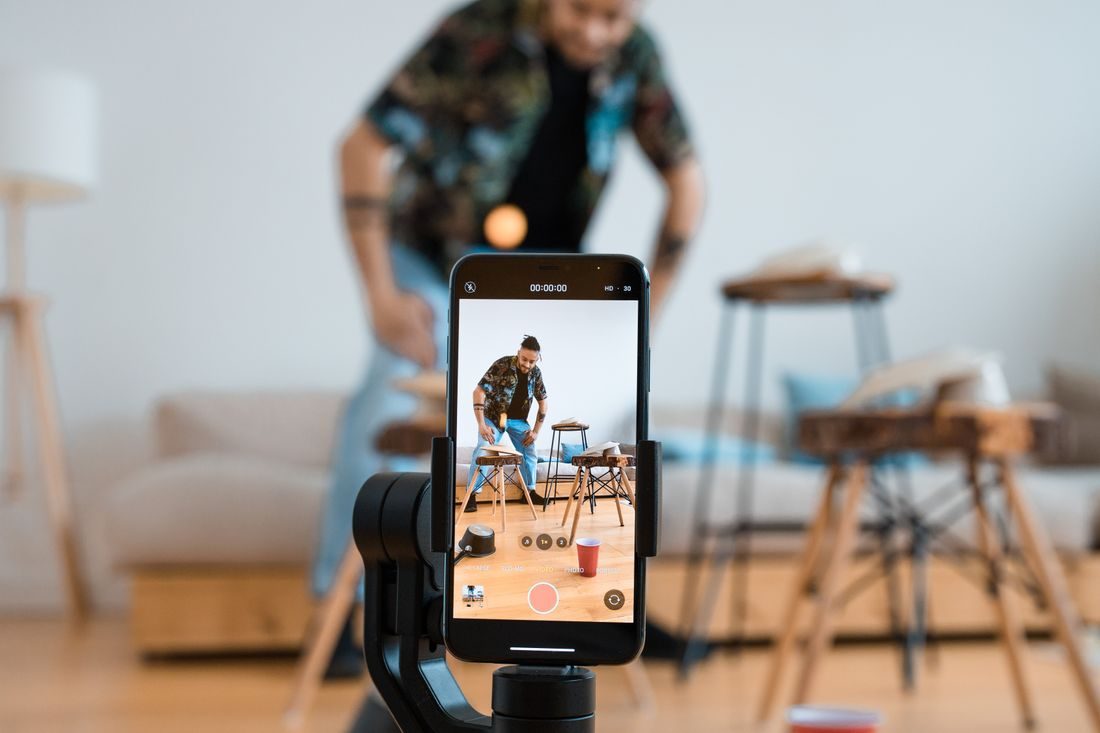
When one side of a face or product looks too dark, adding a second lamp is not always the simplest next step. A reflector can return some existing light to that area without introducing another power cable or a differently coloured source. Begin with the light already in the scene and a modest white surface, then judge how the shadows change through the camera.
Identify the shadow you want to lift
Look at the subject in the intended composition. Decide whether you want more detail under a product edge, on one cheek, or inside a small recess. This keeps the adjustment specific. Brightening every shadow can flatten the image, while leaving some contrast can help describe the subject’s shape.
Place a white card or suitable reflector on the shadow side where it can catch the main light. Watch the camera image while changing its angle. If nothing changes, the reflector may not be receiving enough light or may be directing it elsewhere. Move it deliberately rather than assuming a larger surface will solve the problem.
Change distance before changing equipment
Bring the reflector closer within the safe working space and compare the result. Keep it outside the frame and clear of the subject’s movement. For a tabletop object, a small upright card may be enough. For a presenter, use a securely supported reflector that will not fall into the person or block the camera.
Compare a shot with and without the reflector at unchanged camera settings. Check the brightest part of the subject as well as the shadow. A reflective product may show the reflector as a visible shape; that can be useful or distracting depending on the intended photograph.
Choose the surface for the effect
A white surface is a useful restrained starting point. A shinier reflector can create a more conspicuous reflection and needs careful positioning. Try the available surfaces under the actual light rather than assuming their names predict the result in every scene. Keep coloured walls or objects in mind if the returned light looks tinted.
Know what the reflector cannot supply
A reflector depends on light reaching it. In a dim setup or an awkward room, there may not be enough usable light to redirect. You may also need independent control over a background or a different part of the subject. Those are concrete reasons to consider another lamp. Decide after the simple comparison, and retain the reflector position if it solved the original shadow problem.
Mark or photograph the useful arrangement so it can be repeated for another shot. A reflector is especially practical when a small change is enough and the main source stays consistent. When that source moves or fades, check the result again rather than expecting the same reflector placement to behave identically.