A long interview may contain many useful ideas, but a short clip can rarely carry them all. Begin by choosing one point that can stand on its own. The challenge is preserving enough of the speaker’s context and qualifications while removing material that belongs to other topics. A shorter duration is valuable only when the result remains clear and fair.
Find a complete answer, not just a striking line
Review the interview and note passages with a clear claim, explanation and example. Listen to the question that produced each answer. A dramatic sentence may depend on a condition mentioned earlier or a correction that follows. Keep those relationships intact. Write a one-sentence description of the proposed clip and check whether the speaker would reasonably recognise it as the point they were making. If not, choose a different passage.
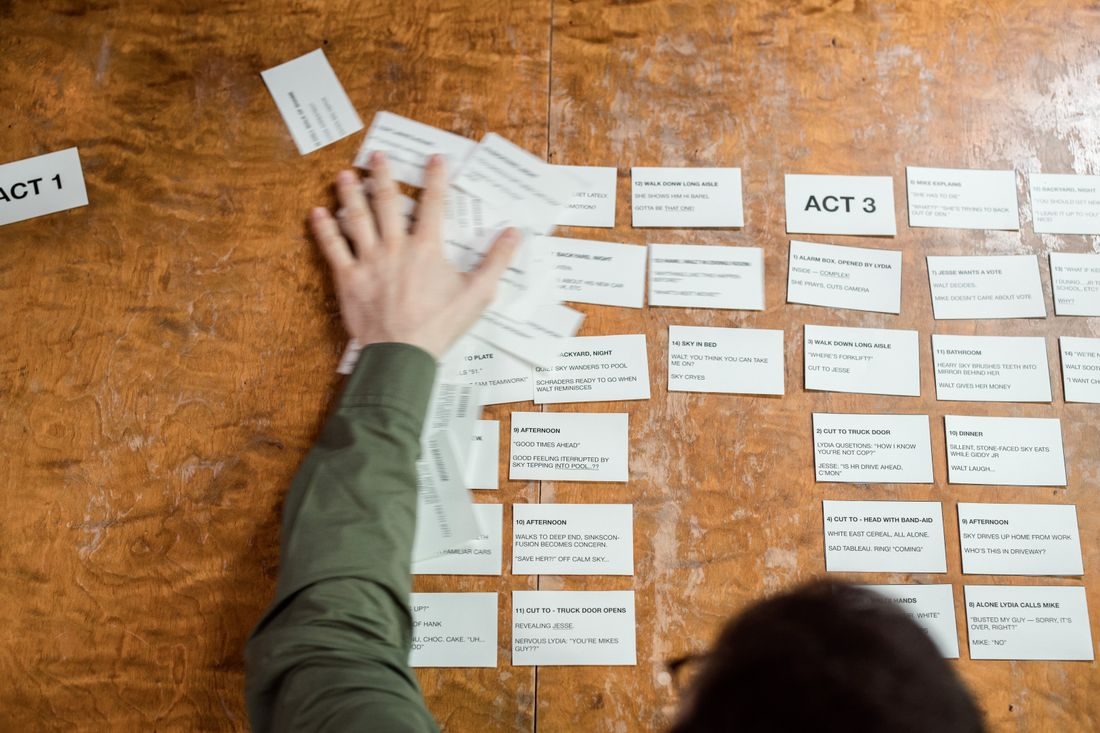
Build a rough selection around meaning
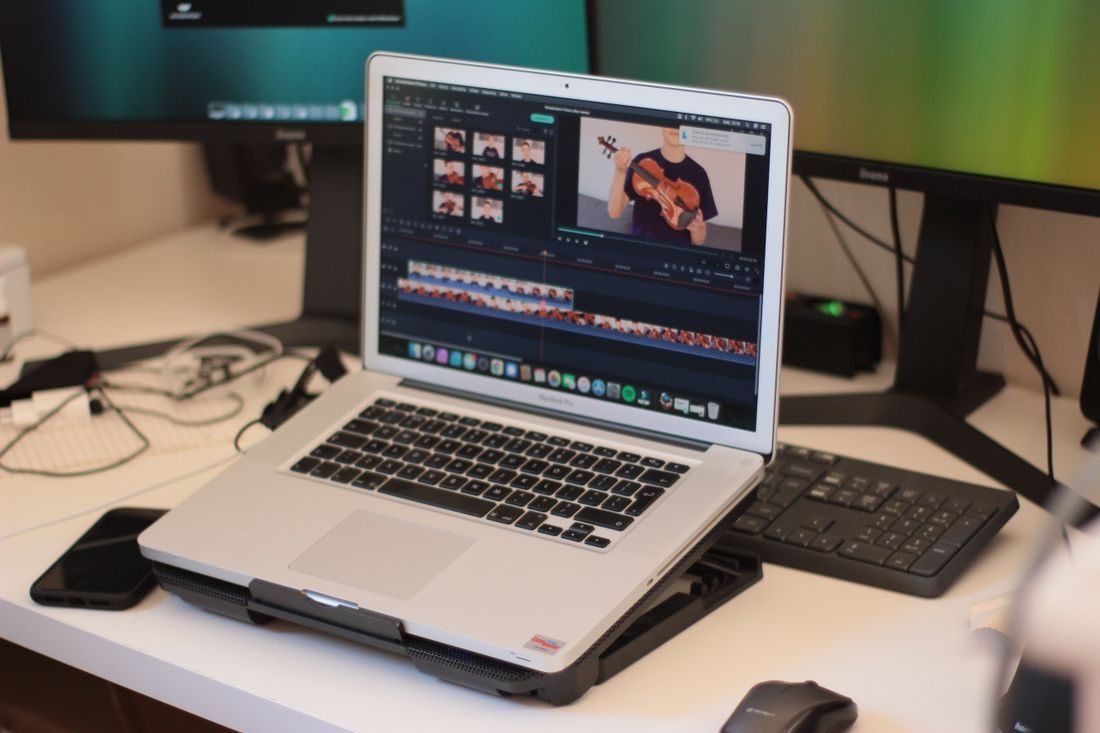
Place the relevant answer in a new sequence and remove unrelated detours first. Keep necessary context, useful examples and qualifications. Do not begin by deleting every pause or breath. Watch the rough version and identify where the audience might ask what a pronoun or reference means.
You can include a concise question or an accurate introductory title when needed, but do not use text to make the answer appear more definite than it was. Preserve uncertainty when it is part of the statement.
Shape the opening and ending
Start where the subject becomes clear quickly. A long greeting may be unnecessary, while a short setup can prevent confusion. End after a complete thought rather than cutting at the most emphatic word and losing the conclusion. If the clip needs a duration reduction, remove a secondary example or choose a narrower point. Compressing every sentence may make speech unnatural and weaken comprehension even when the nominal time target is met.
Check the finished clip against the source
Compare the edit with the original passage, including the surrounding question and answer. Confirm that joins have not changed cause, timing or certainty. Use truthful relevant cutaways to support necessary visual edits, and inspect captions for accurate wording. Show names and context only when verified. Finally, watch without the full interview fresh in your mind, or ask someone unfamiliar with it to explain the clip’s point. Confusion often reveals missing context rather than a need for more dramatic pacing.
A focused interview clip offers one idea that remains complete outside the longer conversation. Select for meaning, remove unrelated material and compare the final sequence with its source. When the story needs too much context for the allotted space, choose a narrower passage rather than forcing a misleading summary.